Reading
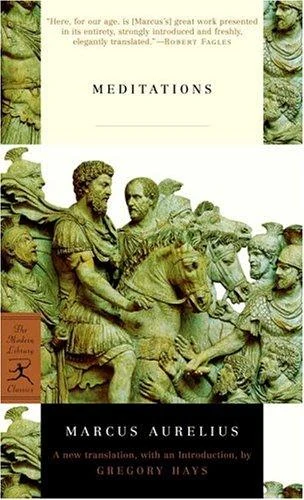
Meditations
Marcus Aurelius · Written c. 170-180 AD · Philosophy
The most powerful man in the world writing notes to himself about staying decent, which I reread whenever things get loud; it never reads as a lecture, because he was only ever talking to himself
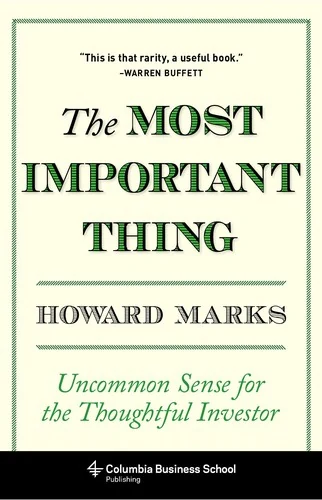
The Most Important Thing
Howard Marks · 2011 · Investing
Risk is not volatility, it is the chance of permanent loss: Marks says it plainly, then spends a book showing how hard it is to remember, the closest thing investing has to a stoic text
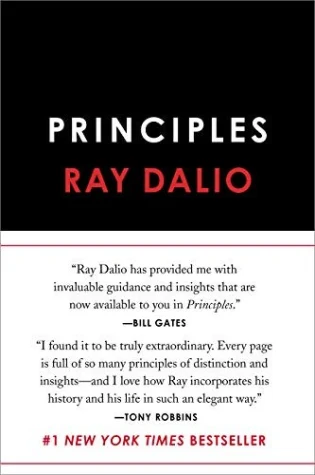
Principles
Ray Dalio · 2017 · Investing
The rules Dalio runs Bridgewater by, written down so they can be tested and argued with; the idea I live by most is to write down how you think something works and let reality grade it
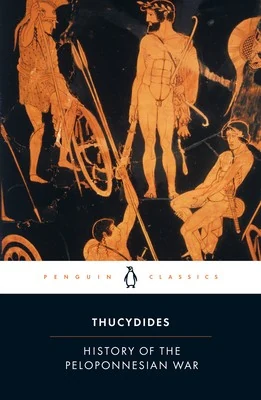
History of the Peloponnesian War
Thucydides · c. 400 BC · History
The first history written to be useful, and the Melian Dialogue alone is worth the book: the strong do what they can and the weak suffer what they must; nothing about power has changed
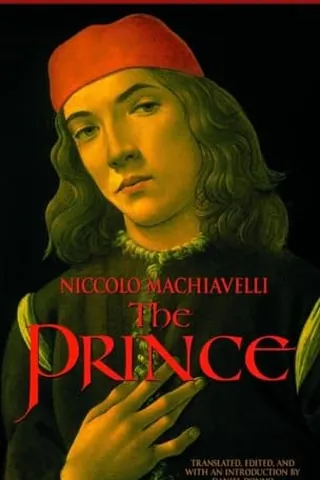
The Prince
Niccolò Machiavelli · Written 1513, published 1532 · Politics
Read as a job application to the Medici, it is honest about how power works instead of how it should; people quote it as cynicism, I read it as realism
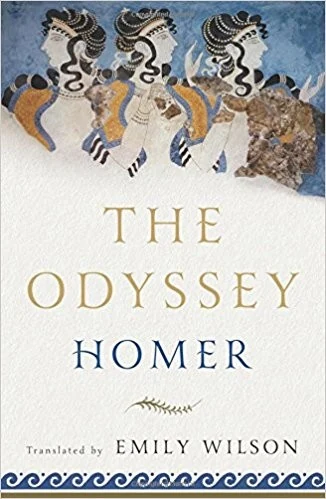
The Odyssey
Homer · c. 8th century BC · Epic Poetry
Ten years to get home, and the cleverness matters more than the strength: Odysseus wins by patience and by lying well, still the best story about wanting to go home
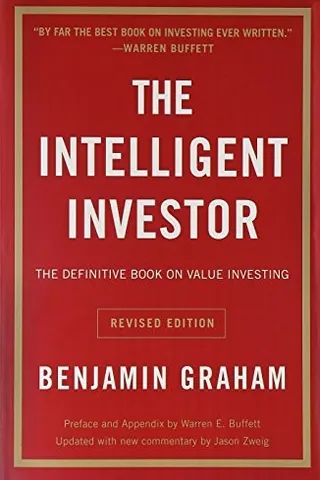
The Intelligent Investor
Benjamin Graham · 1949 · Investing
Mr Market and the margin of safety, two ideas that turn a stock from a ticker into a piece of a business; every investor I respect started here
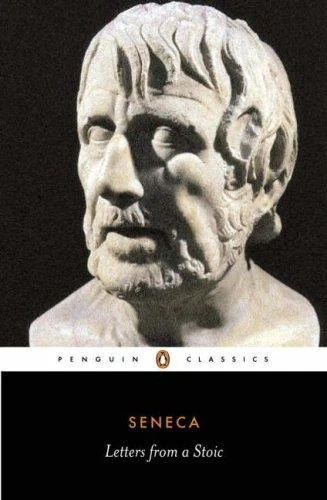
Letters from a Stoic
Seneca · c. 65 AD · Philosophy
Seneca writing to a friend about time, fear and money, while being one of the richest men in Rome, and the contradictions make it more useful, not less
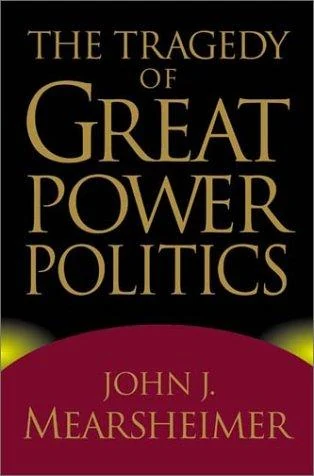
The Tragedy of Great Power Politics
John Mearsheimer · 2001, updated 2014 · Politics
States want security, and the search for it makes everyone less secure; uncomfortable, hard to argue with, and it explains more headlines than any other book on this shelf
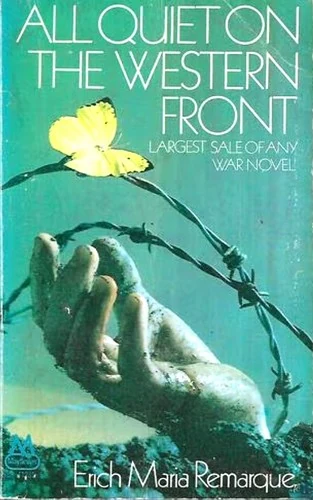
All Quiet on the Western Front
Erich Maria Remarque · 1929 · Fiction
A generation sent to a war nobody could explain to them, with no heroes, no speeches, just boys getting older too fast; the reason I distrust anyone who talks about war lightly
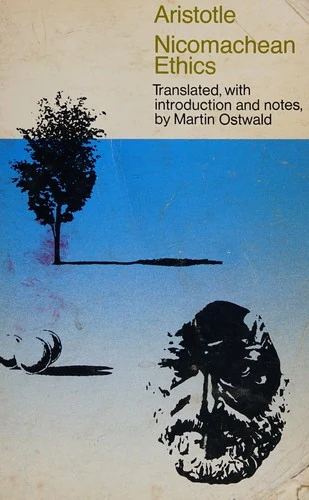
Nicomachean Ethics
Aristotle · c. 340 BC · Philosophy
Happiness as something you practise, not something you feel, and virtue as a habit built like a muscle; the most practical book of philosophy I know
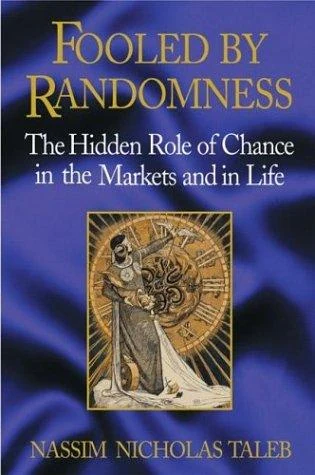
Fooled by Randomness
Nassim Nicholas Taleb · 2001 · Investing
Most success has more luck in it than the winner admits; Taleb is rude about it, which is why it sticks, and I think about it every time a year goes well
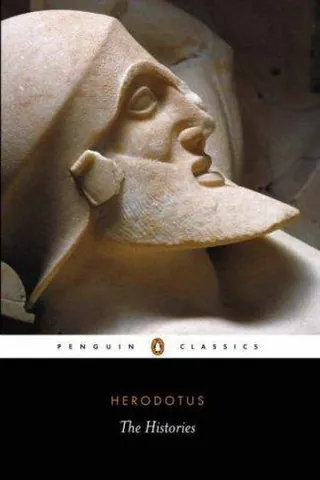
The Histories
Herodotus · c. 430 BC · History
Where Thermopylae comes from: Herodotus wanders, gossips and repeats rumours, and somehow it all adds up to the first great history, told by the best storyteller of the ancient world
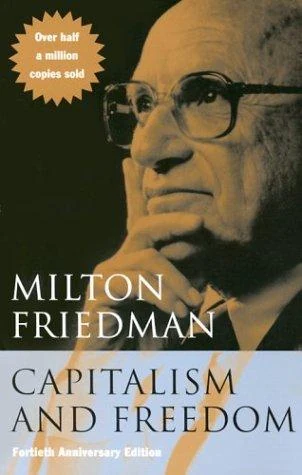
Capitalism and Freedom
Milton Friedman · 1962 · Economics
Economic freedom as a condition for political freedom, in a clear, short and confident book; you do not have to agree with all of it to see how much of the modern world it shaped
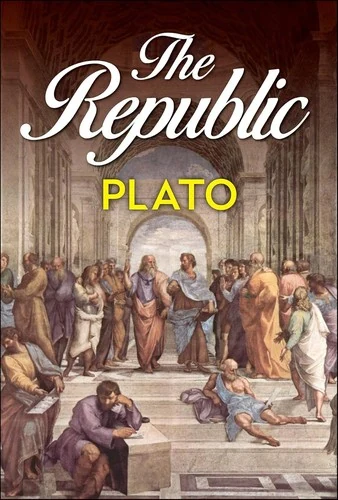
The Republic
Plato · c. 375 BC · Philosophy
What is justice, asked over one long dinner; the answers are strange and often wrong, but the questions never get old, and the cave is the best image in philosophy
Margin of Safety
Seth Klarman · 1991 · Investing
Out of print and passed around like a secret: Klarman on why avoiding loss matters more than chasing gain, short, dense, and worth every page
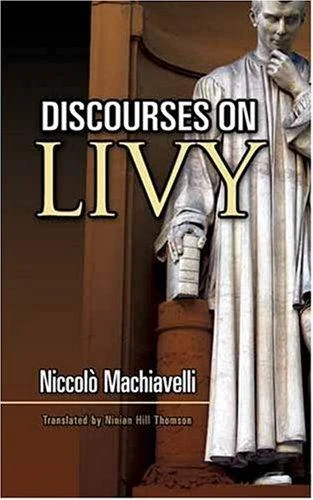
Discourses on Livy
Niccolò Machiavelli · Written c. 1517, published 1531 · Politics
The book Machiavelli actually believed in: a long argument for republics, citizen armies and conflict as a source of freedom; The Prince is the pamphlet, this is the thesis
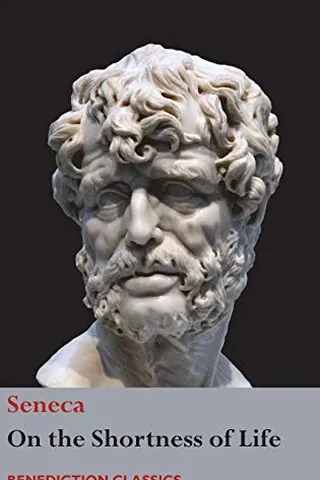
On the Shortness of Life
Seneca · c. 49 AD · Philosophy
Life is not short, we waste most of it; a small essay that makes you count your hours, and I read it once a year
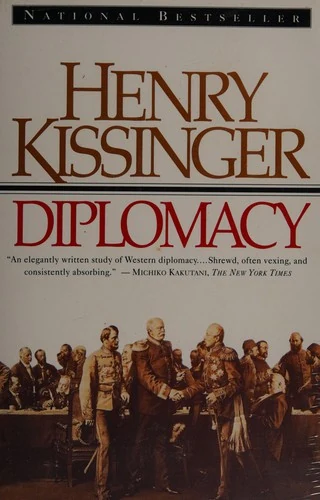
Diplomacy
Henry Kissinger · 1994 · History
Four hundred years of statecraft, told by someone who practised it; you can argue with the man and still learn from the history
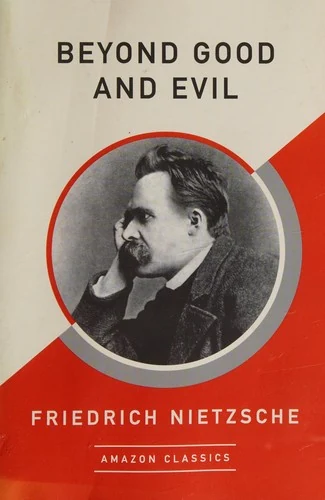
Beyond Good and Evil
Friedrich Nietzsche · 1886 · Philosophy
An attack on every comfortable belief, including the ones you did not know you held; half of it is provocation, the other half rearranges how you think
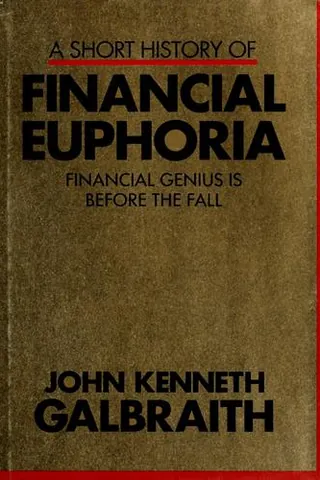
A Short History of Financial Euphoria
John Kenneth Galbraith · 1990 · Economics
Every bubble feels new to the people inside it, and Galbraith shows they are all the same bubble; a hundred pages I keep handy whenever a market gets excited
Enchiridion
Epictetus · c. 125 AD · Philosophy
A former slave on what you control and what you do not: the whole of stoicism in a handbook you can read in an hour
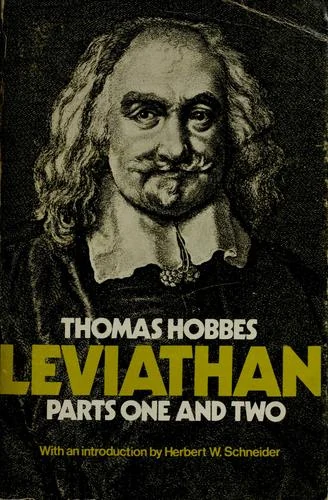
Leviathan
Thomas Hobbes · 1651 · Politics
Life without order is solitary, poor, nasty, brutish and short, so we trade freedom for safety; the starting point for almost every argument about the state
The Art of War
Sun Tzu · c. 5th century BC · Strategy
Win without fighting, and know yourself as well as the enemy; short enough to memorise, useful far beyond war
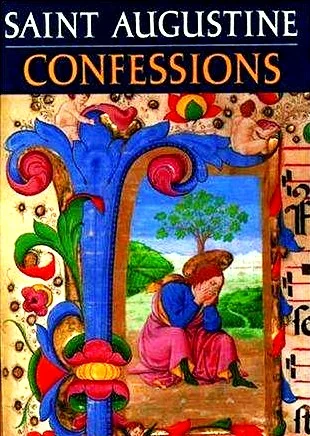
Confessions
Saint Augustine · c. 400 AD · Autobiography
The first real autobiography: a brilliant man arguing with himself and with God, honest about his own failings in a way that still feels modern
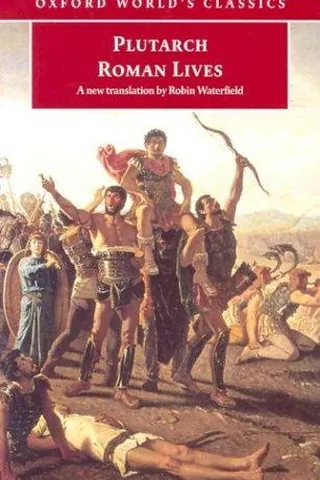
Parallel Lives
Plutarch · c. 100 AD · Biography
Greeks and Romans paired up and compared; Plutarch cares about character more than battles, which is why the lives still feel alive
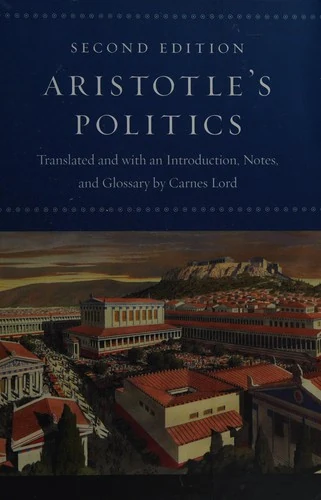
Politics
Aristotle · c. 350 BC · Politics
Man is a political animal: Aristotle compares real constitutions instead of imagining a perfect one, and ends up with the first political science
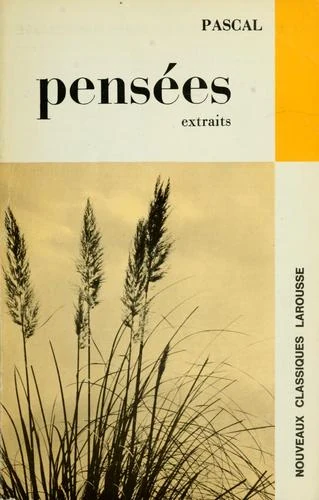
Pensées
Blaise Pascal · Published 1670 · Philosophy
Fragments by a mathematician staring at infinity; the wager is famous, but the best parts are about how we distract ourselves from thinking